• info@drpriyaenhance.com
  • +91 75973 94168

Acne Removal & Acne Scar

Acne, commonly known as pimples, is the most prevalent skin concern, especially among teenagers and young adults. It typically begins between the ages of 13 and 14 and can persist up to the age of 30 or beyond. Acne occurs when hair follicles become clogged with dead skin cells and excess oil (sebum) produced by oil glands, often under the influence of hormones. Symptoms can range from mild comedones (blackheads and whiteheads) to painful nodules and cysts. While mild cases can often be managed with home remedies and topical acne creams, more severe forms may require a combination of treatments, including prescription creams, antibiotics, and oral isotretinoin. Despite being a common condition, acne is surrounded by numerous myths and misconceptions, which can make it difficult for people to achieve clear skin. To address this, Dr. Sunil Kothiwala, a leading dermatologist in Jaipur, has compiled essential basic and advanced information to help individuals better understand and manage acne effectively.
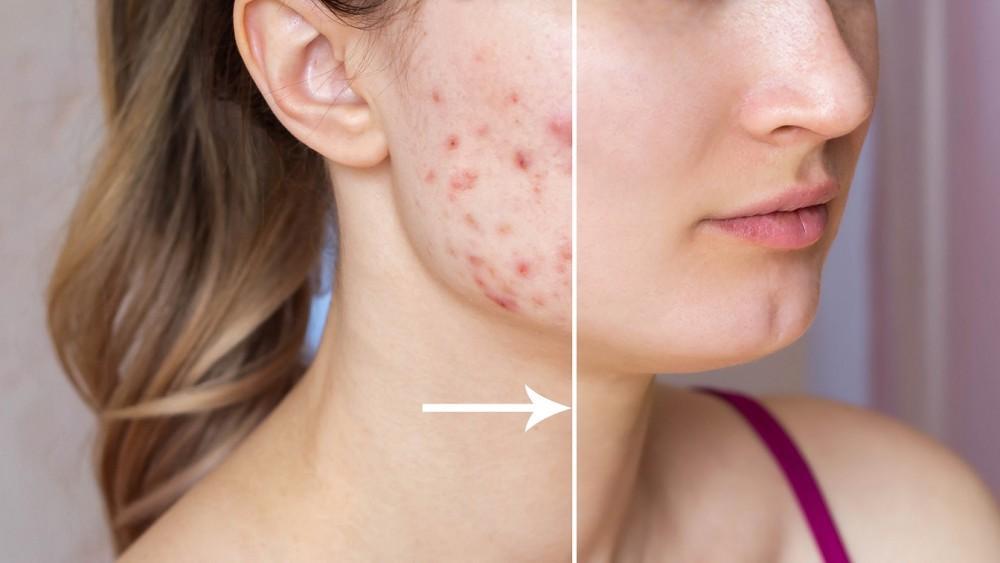
Why do I need treatment of acne (pimples) ?

One of the most common myths about acne is that it should be left to run its course without treatment, as it will eventually go away on its own. However, we strongly advise against this approach. When acne is left untreated, it can lead to unwanted complications such as dark pigmented marks (post-inflammatory hyperpigmentation) and permanent acne scars. These skin changes can have a lasting impact not only on appearance but also on emotional well-being, often contributing to low self-esteem, depression, and anxiety. Early and appropriate treatment is essential to prevent these long-term effects and to promote clearer, healthier skin.

How does pimple form ?

The combination of dead skin cells and excess sebum can lead to the formation of a plug that blocks the opening of the hair follicle. This blockage is known as a comedone. When there is increased sebum production, it promotes the overgrowth of the skin’s normal bacterial flora, particularly Cutibacterium acnes. This bacterial overgrowth triggers an inflammatory response, resulting in the formation of papules (red bumps) and pustules (yellow, pus-filled bumps). If the inflammation worsens, these lesions can progress to more severe forms such as nodules and cysts, which are deeper and often more painful.